Motion graphic design is revolutionising the way we convey concepts. Motion graphics offer a potent means of fusing sound, animation, and images to create tales that are not only aesthetically pleasing but also incredibly successful in a time when people have short attention spans and consume content quickly. Motion graphics give static designs alive and grab viewers’ attention in a matter of seconds, whether they are used in explainer videos, social media reels, or animated infographics.
Motion graphic content, in our opinion at Graphic & Design, is now necessary rather than optional. A single animated image can make a lasting impact on viewers, boost user engagement, and convey concepts clearly. According to studies, audiences retain 95% of a message when it is presented in video format as opposed to just 10% when it is presented just through text. Because of this, motion graphics are an essential tool for content producers, educators, and companies looking to have a significant effect.
What is a Motion Graphic? A Beginner’s Overview
A motion graphic is a kind of animation that uses movement and graphic design components, like text, shapes, and icons, to convey a message or idea. It differs from traditional animation, which typically entails narrative and character development. Motion graphics, on the other hand, are more concerned with visually displaying information, which makes them perfect for presentations, explainer videos, software demos, data visualisations, and brand reveals.
Motion graphic content is ideal for demythologising complicated subjects because it is so versatile. Businesses might use animated charts to explain financial data, for instance, or educators can use visual step-by-step sequences to demonstrate processes. Even the most straightforward messages can be made to stand out on social media with motion graphics, which makes them much more shareable than still photos.
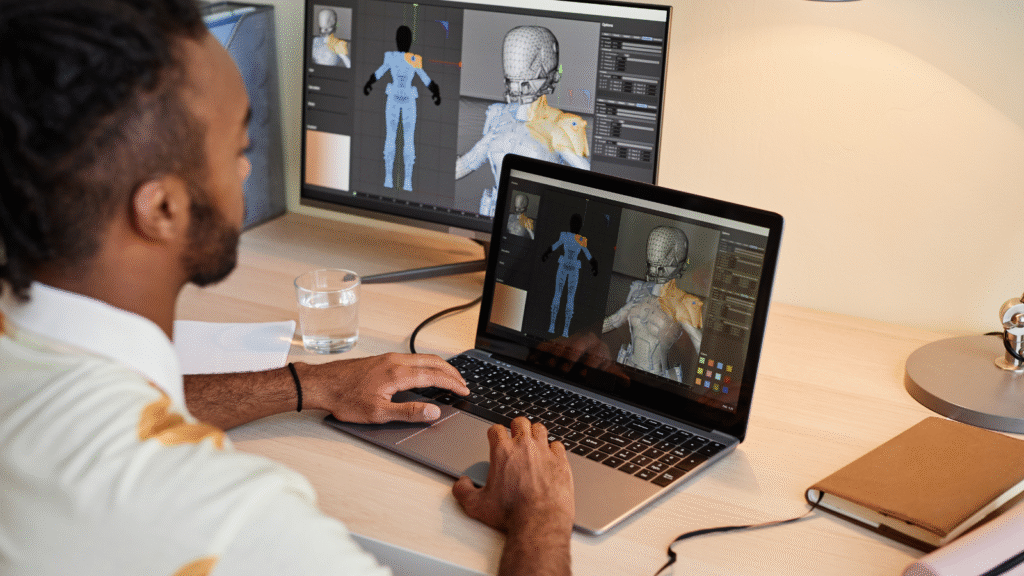
With programs like Blender, Adobe After Effects, or Canva Pro, novices may begin creating motion graphics. Users can simply animate items with the help of these tools’ templates and capabilities, which eliminate the need for complex programming or animation knowledge.
Why Motion Graphic Design Matters in Today’s Marketing
For good reason, motion graphic content is used in everything from YouTube intros to Instagram adverts. It’s among the most affordable and adaptable content formats on the market right now. Motion graphics can be produced with less funding and still provide high-quality results, in contrast to live-action productions that need performers, filming equipment, and substantial budgets.
Motion graphics greatly increase engagement in digital marketing. They help firms stand out from the competition, improve email campaign click-through rates, and lengthen website dwell times. Additionally, they are optimised for today’s visual-first platforms, such as YouTube Shorts, TikTok, and Instagram Reels, and they are mobile-friendly. A brief 10-second motion graphic can convey a clear, emotional, and visual message in a way that static visuals or long text blocks cannot.
Additionally, motion graphic content promotes brand coherence. Recurring icons, typefaces, colours, and transitions can help brands establish a visual language that is consistent across all devices. Over time, this consistent branding increases authority, recognition, and trust.

The Creative Process Behind a Motion Graphic
Making an engaging motion graphic requires a methodical creative process that combines technical know-how with narrative techniques. This is a condensed explanation:
1. Concept Development: Have a distinct idea first. What message do you wish to convey? Who is the intended audience?
2. Writing Scripts An effective motion graphic starts with a well-written script. It directs the tempo, transitions, and images.
3. Storyboarding: To plan visual flow and design consistency, animators sketch the main scenes or screens before animation starts.
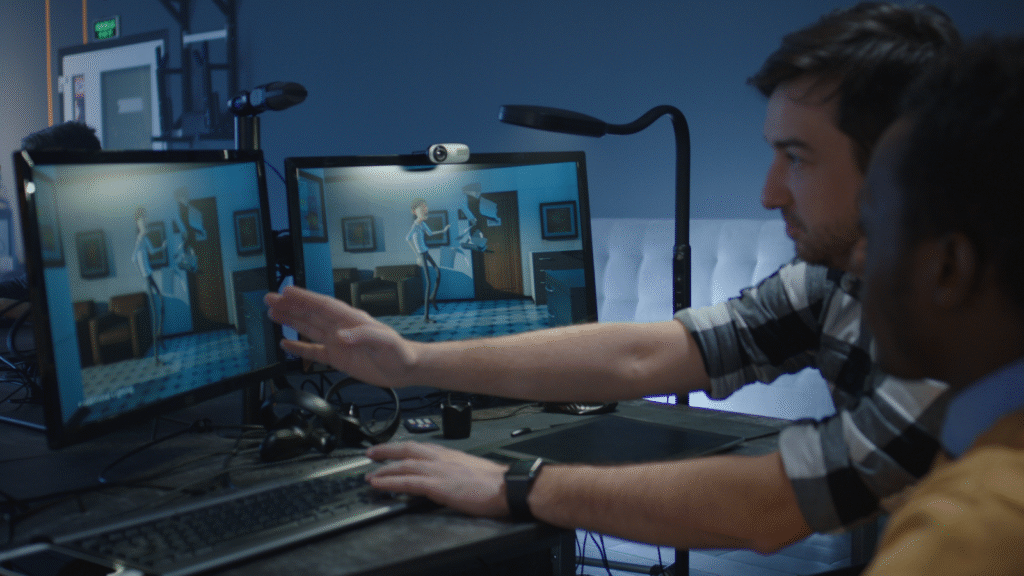
4. Design & Animation: The elements are animated using software, paying close attention to timing, transitions, and motion concepts.
5. Sound & Music: The animation gains depth and emotional resonance when voiceovers, sound effects, or background music are added.
6. Exporting & Optimisation: This last phase entails exporting in the appropriate formats for social media, mobile, and web platforms.
The user experience is considered in the creation of every motion graphic. Every second of animation is designed to optimise impact and clarity, regardless of the purpose—education, promotion, or entertainment.
Why You Should Start Using Motion Graphics Now
There’s never been a better time to start using motion graphic content. It’s one of the few content formats that blends creative freedom with measurable results. Whether you’re a small business owner, a content creator, or a digital marketer, motion graphics offer a low-cost, high-impact way to stand out online.
At Graphic and Design, we’re passionate about helping you harness the power of animated design. From teaching the basics to crafting custom templates, we aim to empower our community with tools and insights that inspire. As content becomes more dynamic and visual, motion graphics will continue to be at the center of effective communication.
Start your creative journey with motion graphics today—and watch your message move the world.