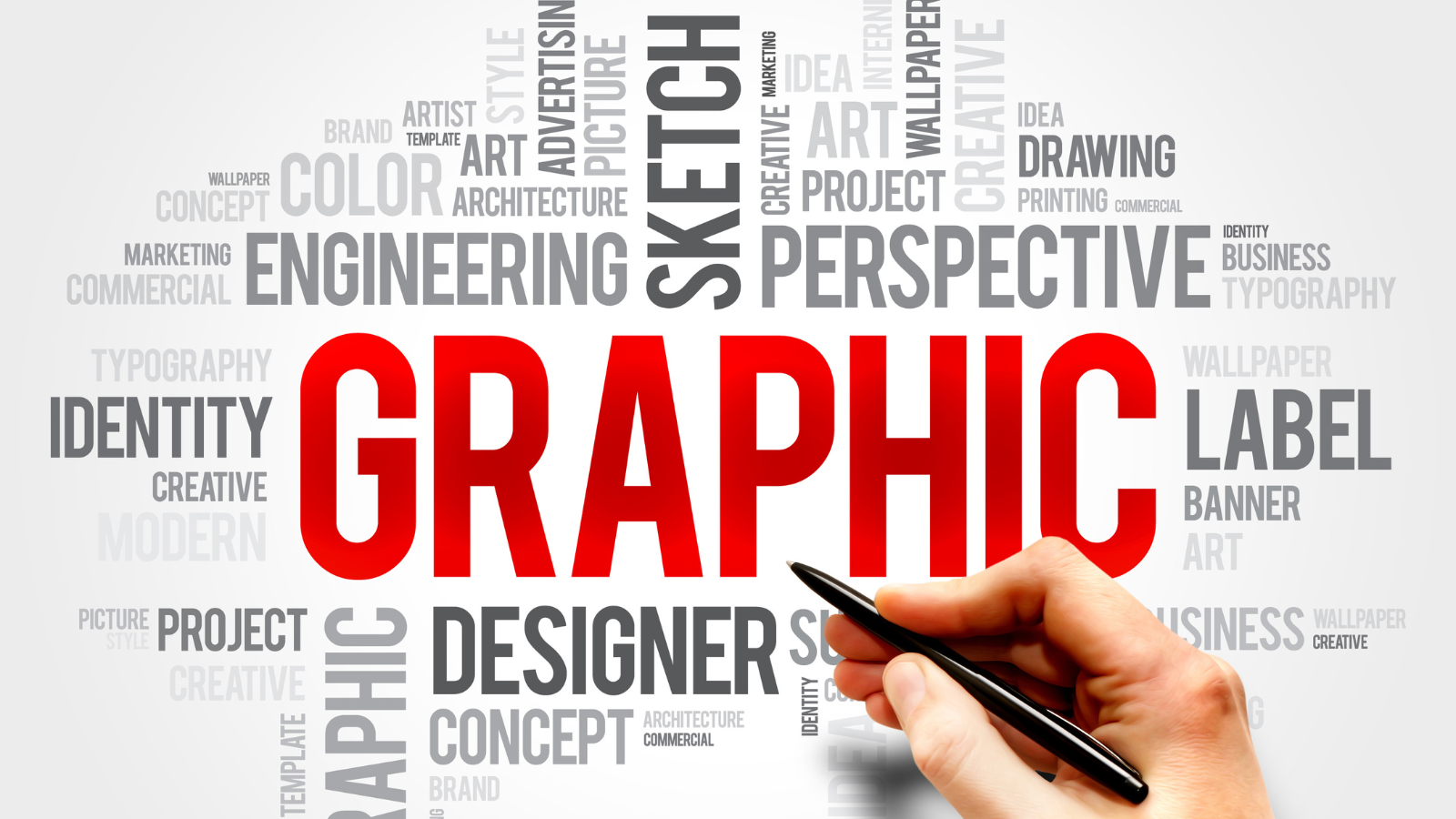
If you’re looking for a clear, step-by-step guide on how to start being a graphic designer, you’ve come to the right place. Let’s break it down from the basics to building your brand.
1. What Does a Graphic Designer Do?
One of the most fascinating and fulfilling creative professions in the modern digital era is graphic design. The need for qualified graphic designers is always growing since images are essential to branding, marketing, and communication. This tutorial will help you understand the stages to start your path as a graphic designer with clarity and confidence if you’re wondering how to get started.
It’s crucial to first comprehend the duties of a graphic designer. A graphic designer uses layout, colour, typography, and images to graphically convey ideas. Every design has a function, whether it’s a logo, social media post, website banner, or brand identification. It is your responsibility to blend communication and creativity to create images that are impactful in addition to being visually appealing.
2. Learn the Basic Principles of Design
Start by being familiar with the fundamentals of design. Balance, contrast, alignment, hierarchy, closeness, and recurrence are a few of these. Any good design is built upon these ideas. Knowing how to carefully employ typefaces, colours, and space can have a significant impact on how people perceive your design. It’s common for novices to get right into software without first understanding these concepts, yet doing so will make your work stand out right away.
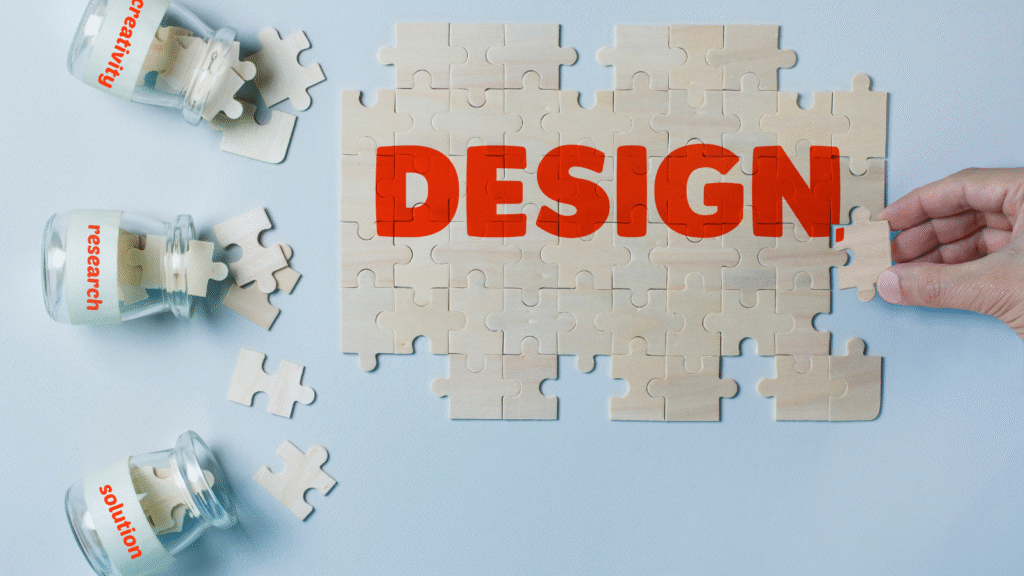
3. Get Comfortable with Design Tools
Examine the tools of the trade next. The Adobe Creative Suite, including Photoshop, Illustrator, and InDesign, is frequently used by professional graphic designers. But free and easy-to-use programs like Canva, Figma, and GIMP are also great places to start. By providing templates and user-friendly interfaces, these platforms enable you to gain practical experience without feeling overburdened.
4. Start Small Projects to Practice
The secret is practice. Begin making simple projects like as Instagram layouts, posters, or logos for made-up companies. Initially, you don’t need clients; what matters is honing your abilities and expanding your creative vision. Take inspiration from others, but make sure your designs are unique and creative. Consider reworking current business logos, making your own product packaging, or simply lending a hand with a personal project for a friend or relative.
5. Build a Strong Portfolio
If you’re learning how to start being a graphic designer, begin by developing your portfolio as you create more work. As a graphic designer, your greatest strength lies in your portfolio. It showcases your skills, thought process, and creative style. Platforms like Behance, Dribbble, or your own website are perfect for building a digital portfolio. At Graphic & Design, we encourage new designers to focus on quality over quantity — even five strong, original pieces can make a lasting impression.
6. Choose Your Niche and Style
Learn about various design specialities while honing your technical abilities. While some designers concentrate on digital advertisements, packaging, social media content, or UX/UI design, others specialise in branding and identity. You may improve your self-marketing and strengthen your personal brand by identifying your expertise. You don’t have to make a decision right away; consider a few possibilities and determine what most interests you.
7. Master Client Communication Skills
Another crucial aspect of how to start being a graphic designer is learning how to interact with clients. Without the capacity to comprehend the demands of a client, communicate ideas effectively, and properly take criticism, even the most gifted designer will struggle. Although these are soft skills that take time to master, you will advance more quickly if you remain open to constructive feedback, collaboration, and a willingness to grow through experience..
8. Start Freelancing and Real-World Work
For novices, freelancing is a common route. Start small by listing your services on websites such as Freelancer, Upwork, or Fiverr. Speak with nearby companies or non-profits that might require design assistance. Provide free or heavily discounted labour in return for endorsements. These early encounters boost your self-esteem and provide you with practical knowledge of due dates, edits, and customer expectations.
9. Build Your Personal Brand as a Graphic Designer
As you develop, think about developing a professional brand. Establish a personal brand by using the same colours, typefaces, and design components on your business cards, portfolio, and social networking accounts. Make sure your presence reflects your style, whether you design under your own name or through a creative business like Graphic & Design. This branding serves as your silent pitch since it demonstrates your understanding of both innovation and consistency.
10. Learn the Business Side of Design
It’s equally critical to comprehend the commercial side of design. Learn how to make contracts, send invoices, handle comments, and set a reasonable price for your services. You may learn the fundamentals of working as a freelance designer from a variety of free internet tools. To efficiently manage your tasks and due dates, you can also use programs like Trello or Notion.
11. Connect with Design Communities
Never undervalue the importance of networking and community. Participate in online webinars, join design forums, and establish connections with other creators on social media sites like Instagram and LinkedIn. Your talents can be improved with feedback from seasoned designers, and casual discussions may lead to opportunities. Remain curious and connected.
12. Consider Courses and Certifications
If you’re more of a regimented learner, education can also be beneficial. Online courses, degrees, and even YouTube tutorials can offer direction and discipline, even if many successful designers are self-taught. Both novice and intermediate learners can benefit from the tools provided by platforms like as Skillshare, Coursera, Canva Learn, and Adobe’s own courses.
13. Explore Passive Income Opportunities
As you become more self-assured, consider earning money outside of client employment. Templates, presets, icons, and even online courses are produced and sold by numerous designers. This might assist you broaden your creative business and turn into a passive cash stream. You can generate revenue while expanding your following by selling design assets on websites such as Creative Market or Etsy.
14. Stay Updated and Inspired
Finally, keep informed at all times. Platforms, technologies, and design trends change rapidly. Continue to experiment with new styles, join up for newsletters, and read design blogs. The top designers are lifelong learners. Never be scared to try anything new, keep coming up with ideas, and take on design difficulties. Your greatest allies are inquiry and consistency.
15. Your Journey Starts Now
In summary, becoming a graphic designer is a process of education, creation, and development. You may transform your passion into a career that provides meaning and financial gain if you have the correct attitude, resources, and work ethic. Whether you’re creating for customers, businesses, or your own brand, graphic design gives you the ability to give concepts a lasting, meaningful visual representation. Great design, in our opinion at Graphic & Design, tells a story in addition to being visually appealing. Furthermore, your career as a designer is only beginning.